Showing posts sorted by relevance for query airway management/. Sort by date Show all posts

Thursday, December 28, 2006

Walls - Manual of Emergency Airway Management 1st edition


The first and only complete manual to emergency airway management, this book is ideal for those seeking front line coverage of the latest tools and techniques in airway management. Written by noted authorities in the field and based on essential concepts outlined in the National Emergency Airway Management Course, this indispensable resource delivers everything you need to effectively manage an airway during an emergency.
Prepared by the faculty of the National Emergency Airway Management Course, (The Airway Course), in the USA, this manual is an expert, practical guide to this challenging procedure. It offers step by step instructions on techniques, drug administration, and prevention and management of complications and includes a complete section on difficult clinical scenarios. The book is packed with easy-to-follow algorithms and diagrams and helpful mnemonics. FEATURES: Detailed instruction in Rapid Sequence Intubation, including drugs and methods for a myriad of adult and pediatric applications Emergency airway algorithms that provide an organised approach to difficult, failed and crash airwyas Step by step instruction and guidance for recognising and managing the difficult airway Comprehensive discussion of various clinical situations, such as status asthmaticus, pregnancy, neurological injury, th ey very young child, plus many more Helpful mnemonics throughout the book serve as quick memory joggers for vial procedures, measurements and cautions Complete section on difficult clinical scenarios NEW TO THIS EDITION: Updates to all sections, with the removal of obsolete drugs Strict templating for a consistent format amongst all chapters Evidence-based perspectives on a range of therapies and procedures that ensures you of the most current, accurate information available Section on Implementation (will include stocking the airway cart, as well as establishing skills and protocols, training issues, and skill retention Coverage of the latest technology including fiberoptic and video laryngoscopy that provides unmatched access to the airway.

Book details:
Author:by Ron M. Walls, Michael F. Murphy , Robert C. Luten, Robert E. Schneider
Publisher:Lippincott Williams & Wilkins
Pages:240
Size:864 KB
Format:PDB

Download
password:DrWael

Tuesday, October 15, 2013

Benumof and Hagberg's Airway Management 3rd ed

Carin A. Hagberg MD (Author)

Enhance your airway management skills and overcome clinical challenges with Benumof and Hagberg's Airway Management, 3rd Edition. Trusted by anesthesiologists, residents, and nurse anesthetists, this one-of-a-kind anesthesiology reference offers expert, full-color guidance on pre- and post-intubation techniques and protocols, from equipment selection through management of complications.
  • Practice with confidence by consulting the only reference exclusively dedicated to airway management, and trusted by anesthesiologists, residents, and nurse anesthetists for up-to-date information on every aspect of the field.
  • Focus on the most essential and practical information with a concise, how-to approach, carefully chosen illustrations, and case examples and analysis throughout.
  • Apply the latest know-how with new chapters on video laryngoscopes and airway management during CPR, plus comprehensive updates throughout from Dr. Carin Hagberg and many new contributing experts on airway management.
  • Select the most appropriate techniques for difficult cases using the latest ASA guidelines.
  • Gain a rich visual perspective on complex procedures and monitoring techniques with hundreds of new full-color illustrations throughout.

Monday, August 4, 2014

Airway Management in Emergencies


Learn the clinical skills necessary to treat any emergency airway problem Written by international experts in a style that's concise, practical and to the point, Airway Management in Emergencies covers all the options -- both medical and surgical -- for managing any patient's airway in an emergency. Here, you'll find the core knowledge and accompanying management protocols necessary to assess, oxygenate, intubate, and monitor patients requiring emergency airway management. In each chapter, this high-yield coverage is supported by evidence-based algorithms, synoptic tips, and real-world case studies that show you how to resolve any difficult airway scenario you would likely encounter in clinical practice. Features: Highlighted key points in each chapter Skill-sharpening review of “core knowledge” More than 100 figures that include a combination of original art work, fluoroscopy and Airwaycam® images. A practical overview of both established and newer emergency airway equipment Far-reaching coverage addressing both the anticipated and unanticipated difficult airway, the uncooperative patient, and the "failed" airway. Chapters on treating a range of patient populations and clinical presentations, including an approach to the pediatric, the elderly, and the critically ill patient Perspectives on when and how to perform both "awake" and rapid sequence intubations and effectively administer post-intubation care A closing chapter on the interrelationship between human performance and patient safety -- and how to optimize both in caring for patients requiring acute airway management

Monday, March 10, 2008

MicroTextbook of Clinical Airway Management


This educational resource is an independent project of Dr. D. John Doyle, who is solely responsible for its contents. The intended audience for this resource is anesthesiologists, emergency physicians, and other clinicans involved in airway management. The information provided is designed to supplement, not replace, other sources of clinical information on clinical airway management. This site is funded entirely by Dr. D. John Doyle; no support for this project has been sought from, or been granted by, anyone.

Book Details:
Author:D. John Doyle MD PhD
Publisher:D. John Doyle MD PhD
Pages:28
Size:2,113 mb
Format: pdf

Download
Password:DrWael


Related books:
Thanks Ahmed Moustafa

Monday, July 21, 2014

Core Topics in Airway Management


Every anaesthetist reaches the end of their career with a collection of difficult airway experiences. Managing airway challenges relies on a combination of good clinical practice, knowledge of relevant basic sciences and critical evaluation of every aspect of airway care. This new edition of Core Topics in Airway Management provides any trainee or consultant involved in airway techniques with practical, clinically relevant coverage of the core skills and knowledge required to manage airways in a wide variety of patients and clinical settings. All new procedures and equipment are reviewed, and detailed chapters advise on airway issues in a range of surgical procedures. This edition also contains a series of practical questions and answers, enabling the reader to evaluate their knowledge. Written by leading airway experts with decades of experience managing difficult airways, Core Topics in Airway Management, second edition, is an invaluable tool for anaesthetists, intensivists, and emergency physicians.

Monday, August 4, 2014

Manual of Emergency Airway Management


Prepared by the faculty of the National Emergency Airway Management Course, this manual is an expert, practical guide to emergency airway management in any adult or pediatric patient. It offers step-by-step instructions on techniques, drug administration, and prevention and management of complications and includes a complete section on difficult clinical scenarios. The book is packed with easy-to-follow algorithms and diagrams and helpful mnemonics. Each of the Third Edition's chapters includes improved full-color illustrations and updated evidence-based analyses of procedures. A new section geared to the prehospital setting presents current National Association of Emergency Medical Technicians guidelines, including alternative airway devices.

Monday, July 9, 2007

Trauma: Emergency Resuscitation, Perioperative Anesthesia, Surgical Management, Volume I


Produced by a world renowned team of trauma specialists, this source reviews initial management considerations beginning in the pre-hospital phase, continues through the primary and secondary surveys of the hospital-based evaluation process, and proceeds to the perioperative management of trauma, burns, and associated conditions. This reference provides practical and expertly written chapters that specifically focus on problems unique to the trauma patient and delve into issues affecting future research and management perspectives.
Volume 1 focuses on initial management and is divided into sections that mirror the continuum of care, including prehospital, resuscitation suite, and perioperative management. The prehospital section includes chapters on trauma mechanisms, epidemiology, scoring and triage, and transport. The authors acknowledge that optimal management algorithms for this early phase of care can differ based on the setting (urban/rural) and the prevailing geographical, political, and financial conditions. Hospitalbased components of management (e.g., primary survey, secondary survey, etc.) are meticulously reviewed, including: specific chapters on the critical elements of care (e.g.,airway management, fluid therapy, etc.). The perioperative section details the anesthetic and surgical priorities, but surgical technical details are minimized in favor of global management guidelines, which are important to all members of the care team. Important trauma-related conditions are also fully reviewed.


Book details:
Author:William C Wilson, Christopher M Grande, David B Hoyt
Publisher: Informa Healthcare
Pages:912
Size:19,3 MB
Format: pdf

Download
password:DrWael
Related Books:

Friday, July 6, 2007

Clinical Anesthesiology 4th Edition (software)


Clinical Anesthesiology integrates succinct coverage of basic principles and clinical considerations in the anesthetic management of patients. It features up-to-date discussion of all relevant areas within anesthesiology, including equipment, pharmacology, regional anesthesia, pathophysiology, pain management, anesthetic management, and critical care. Extensive use of case discussions, figures, and tables in each chapter promotes application of the concepts to practice.


CONTENTS:
Chapter 1. The Practice of Anesthesiology

Section I: Anesthetic Equipment & Monitors
Chapter 2. The Operating Room: Medical Gas Systems, Environmental Factors, & Electrical Safety
Chapter 3. Breathing Systems
Chapter 4. The Anesthesia Machine
Chapter 5. Airway Management
Chapter 6. Patient Monitors

Section II. Clinical Pharmacology
Chapter 7. Inhalation Anesthetics
Chapter 8. Nonvolatile Anesthetic Agents
Chapter 9. Neuromuscular Blocking Agents
Chapter 10. Cholinesterase Inhibitors
Chapter 11. Anticholinergic Drugs
Chapter 12. Adrenergic Agonists & Antagonists
Chapter 13. Hypotensive Agents
Chapter 14. Local Anesthetics
Chapter 15. Adjuncts to Anesthesia

Section III. Regional Anesthesia & Pain Management
Chapter 16. Spinal, Epidural, & Caudal Blocks
Chapter 17. Peripheral Nerve Blocks
Chapter 18. Pain Management

Section IV. Physiology, Pathophysiology, & Anesthetic Management
Chapter 19. Cardiovascular Physiology & Anesthesia
Chapter 20. Anesthesia for Patients with Cardiovascular Disease
Chapter 21. Anesthesia for Cardiovascular Surgery
Chapter 22. Respiratory Physiology: The Effects of Anesthesia
Chapter 23. Anesthesia for Patients with Respiratory Disease
Chapter 24. Anesthesia for Thoracic Surgery
Chapter 25. Neurophysiology & Anesthesia
Chapter 26. Anesthesia for Neurosurgery
Chapter 27. Anesthesia for Patients with Neurologic & Psychiatric Diseases
Chapter 28. Management of Patients with Fluid & Electrolyte Disturbances
Chapter 29. Fluid Management & Transfusion
Chapter 30. Acid–Base Balance
Chapter 31. Renal Physiology & Anesthesia
Chapter 32. Anesthesia for Patients with Renal Disease
Chapter 33. Anesthesia for Genitourinary Surgery
Chapter 34. Hepatic Physiology & Anesthesia
Chapter 35. Anesthesia for Patients with Liver Disease
Chapter 36. Anesthesia for Patients with Endocrine Disease
Chapter 37. Anesthesia for Patients with Neuromuscular Disease
Chapter 38. Anesthesia for Ophthalmic Surgery
Chapter 39. Anesthesia for Otorhinolaryngological Surgery
Chapter 40. Anesthesia for Orthopedic Surgery
Chapter 41. Anesthesia for the Trauma Patient
Chapter 42. Maternal & Fetal Physiology & Anesthesia
Chapter 43. Obstetric Anesthesia
Chapter 44. Pediatric Anesthesia
Chapter 45. Geriatric Anesthesia

Section V. Special Problems
Chapter 46. Anesthetic Complications
Chapter 47. Cardiopulmonary Resuscitation
Chapter 48. Postanesthesia Care
Chapter 49. Critical Care


Book details:
Author:Edward Morgan Maged S. Mikhail Michael J. Murray
Publisher:McGraw-Hill Medical; 4 edition (August 26, 2005)
Pages:1105
Size: 12,844 MB
Format:html with hyperlink

Download
password :DrWael

Saturday, October 6, 2007

Clinical Anesthesiology - 4th Ed. (chm)


Clinical Anesthesiology integrates succinct coverage of basic principles and clinical considerations in the anesthetic management of patients. It features up-to-date discussion of all relevant areas within anesthesiology, including equipment, pharmacology, regional anesthesia, pathophysiology, pain management, anesthetic management, and critical care. Extensive use of case discussions, figures, and tables in each chapter promotes application of the concepts to practice.
contents:
Front Matter
Introduction to Clinical Anesthesiology
1. The Practice of Anesthesiology
Section I - Anesthetic Equipment & Monitors
2. The Operating Room: Medical Gas Systems, Environmental Factors, & Electrical Safety
3. Breathing Systems
4. The Anesthesia Machine
5. Airway Management
6. Patient Monitors
Section II - Clinical Pharmacology
7. Inhalation Anesthetics
8. Nonvolatile Anesthetic Agents
9. Neuromuscular Blocking Agents
10. Cholinesterase Inhibitors
11. Anticholinergic Drugs
12. Adrenergic Agonists & Antagonists
13. Hypotensive Agents
14. Local Anesthetics
15. Adjuncts to Anesthesia
Section III - Regional Anesthesia & Pain Management
16. Spinal, Epidural, & Caudal Blocks - Wayne Kleinman, MD,* & Maged Mikhail, MD
17. Peripheral Nerve Blocks
18. Pain Management
Section IV - Physiology, Pathophysiology, & Anesthetic Management
19. Cardiovascular Physiology & Anesthesia
20. Anesthesia for Patients with Cardiovascular Disease
21. Anesthesia for Cardiovascular Surgery
22. Respiratory Physiology: The Effects of Anesthesia
23. Anesthesia for Patients with Respiratory Disease
24. Anesthesia for Thoracic Surgery
25. Neurophysiology & Anesthesia
26. Anesthesia for Neurosurgery
27. Anesthesia for Patients with Neurologic & Psychiatric Diseases
28. Management of Patients with Fluid & Electrolyte Disturbances
29. Fluid Management & Transfusion
30. Acid-Base Balance
31. Renal Physiology & Anesthesia
32. Anesthesia for Patients with Renal Disease
33. Anesthesia for Genitourinary Surgery
34. Hepatic Physiology & Anesthesia
35. Anesthesia for Patients with Liver Disease
36. Anesthesia for Patients with Endocrine Disease
37. Anesthesia for Patients with Neuromuscular Disease
38. Anesthesia for Ophthalmic Surgery
39. Anesthesia for Otorhinolaryngological Surgery
40. Anesthesia for Orthopedic Surgery
41. Anesthesia for the Trauma Patient
42. Maternal & Fetal Physiology & Anesthesia
43. Obstetric Anesthesia
44. Pediatric Anesthesia
45. Geriatric Anesthesia
46. Anesthetic Complications
Section V - Special Problems
47. Cardiopulmonary Resuscitation
48. Postanesthesia Care
49. Critical Care

Book details:
Author:G. Edward Morgan, Jr., MD Maged S. Mikhail, MD Michael J. Murray MD, Ph
Publisher:McGraw-Hill Medical; 4 edition (August 26, 2005)
Pages:1105

Size:15,111 MB

Format:Compiled HTML help file(chm)

Download
Password:DrWael

Sunday, December 17, 2006

Clinical Anesthesiology


Clinical Anesthesiology integrates succinct coverage of basic principles and clinical considerations in the anesthetic management of patients. It features up-to-date discussion of all relevant areas within anesthesiology, including equipment, pharmacology, regional anesthesia, pathophysiology, pain management, anesthetic management, and critical care. Extensive use of case discussions, figures, and tables in each chapter promotes application of the concepts to practice.

Table of contents:

Clinical Anesthesiology

1. The Practice of Anesthesiology
I. Anesthesia Equipment & Monitors
2. The Operating Room: Medical Gas Systems, Environmental Factors, & Electrical Safety
3. Breathing Systems
4. The AnesthesiaMachine
5. Airway Management
6. Patient Monitors
II. Clinical Pharmacology
7. Inhalational Anesthetics
8. Nonvolatile Anesthetic Agents
9. Neuromuscular Blocking Agents
10. Cholinesterase Inhibitors
11. Anticholinergic Drugs
12. Adrenergic Agonists & Antagonists
13. Hypotensive Agents
14. Local Anesthetics
15. Adjuncts to Anesthesia
III. Regional Anesthesia & Pain Management
16. Spinal, Epidural, & Caudal Blocks
17. Peripheral Nerve Blocks
18. Pain Management
IV. Physiology, Pathophysiology, & Anesthetic Management
19. Cardiovascular Physiology & Anesthesia
20. Anesthesia for Patients with Cardiovascular Disease
21. Anesthesia for Cardiovascular Surgery
22. Respiratory Physiology: The Effects of Anesthesia
23. Anesthesia for Patients with Respiratory Disease
24. Anesthesia for Thoracic Surgery
25. Neurophysiology & Anesthesia
26. Anesthesia for Neurosurgery
27. Anesthesia for Patients with Neurological & Psychiatric Diseases
28. Management of Patients with Fluid & Electrolyte Disturbances
29. Fluid Management & Transfusion
30. Acid--Base Balance
31. Renal Physiology & Anesthesia
32. Anesthesia for Patients with Renal Disease
33. Anesthesia for Genitourinary Surgery
34. Hepatic Physiology & Anesthesia
35. Anesthesia for Patients with Liver Disease
36. Anesthesia for Patients with Endocrine Disease
37. Anesthesia for Patients with Neuromuscular Disease
38. Anesthesia for Ophthalmic Surgery
39. Anesthesia for Otorhinolaryngological Surgery
40. Anesthesia for Orthopedic Surgery
41. Anesthesia for the Trauma Patient
42. Maternal & Fetal Physiology & Anesthesia
43. Obstetric Anesthesia
44. Pediatric Anesthesia
45. Geriatric Anesthesia
V. Special Problems
46. Anesthetic Complications

Book details:
Author:Morgan G. Edward, Mikhail Maged S., Murray Michael J.
Publisher:McGraw-Hill/Appleton & Lange; 3 edition
Pages:1042
Size:25.1 MB
Format:PDB

Download
password:DrWael

Thursday, May 3, 2007

Trauma Management


This book is a quick and practical guide in the evaluation and management of trauma patients. Contributors include world renowned trauma surgeons, each well-respected for their work and scientific contributions from trauma centers around the world. A trauma reference for years to come, it has as its mission, sharing with all of our colleagues a wealth of knowledge in the care of the critically injured patient.
Table of contents
PREHOSPITAL CARE
Prehospital Trauma Care
EMERGENCY ROOM CARE
Initial Evaluation and Management in the Emergency Departmen
Ultrasound in Trauma
Analgesia and Sedation in Trauma
Emergency Airway Management in the Trauma Patient
Shock and Resuscitation
HEAD
Management of Head Injury
Maxillofacial Trauma
NECK
Evaluation of the C-Spine
Penetrating Injuries of the Neck
Carotid Artery Injuries
Subclavian and Axillary Vascular Injuries
Vertebral Artery Injuries
Laryngotracheal Injuries
Traumatic Brachial Plexus Injuries
CHEST
Blunt Thoracic Trauma
Penetrating Chest Injuries: Evaluation and Management
Cardiac Injuries
Lung Injuries
Blunt Aortic Trauma
Penetrating Thoracic Vascular Injuries
Diaphragm Injuries
Esophageal Injury
CT Scan in Chest Trauma
Emergency Department Thoracotomy
ABDOMEN
Evaluation of Blunt Abdominal Trauma
Evaluation of Penetrating Abdominal Trauma
Hepatic Injuries and Bile Duct Injuries
Splenic Injuries
Pancreatic Injuries
Duodenal Injuries
Colon/Rectal Injuries
Genitourinary Tract Trauma
Abdominal Vascular Injury
Abdominal Compartment Syndrome
Damage Control Operations
CT Scan in Abdominal Trauma
ORTHOPEDIC INJURIE
Extremity Compartment Syndrome
Penetrating Extremity Injury
Popliteal Vessel Injuries
Hand Trauma
Long Bone Fractures and the General Surgeon
Pelvic Fractures and the General Surgeon
Spinal Injuries
MISCELLANEOUS TOPICS
Pediatric Trauma
Geriatric Trauma
Trauma in Pregnancy
Interventional Radiology in the Care
of the Trauma Patient ... ..
Minimally Invasive Surgery in Trauma
Ballistics of Gunshot Injuries
Blast Injuries
Forensics for Trauma Care Givers
Endocrine Problems in Trauma
MOF Failure: MOF Syndrome
Surgical Nutrition
Acute Burn Injury
Inhalation Injury
Management of the Potential Organ Donor Patient
Hypothermia in Trauma Patients
Trauma Scores
Crush Syndrome
Anesthesia of the Traumatized Patient
Transfusion Therapy
Venous Thromboembolism After Injury
Trauma Program Manager
Fat Embolism
Alcohol, Illicit Drugs and Trauma

Book details:
Author:Demetrios Demetriades,Juan A. Asensio
Publisher:Landesbioscience
Pages:678
Size: 37,378 MB
Format:pdf


Download
password:DrWael

Thursday, November 5, 2015

Shnider and Levinson's Anesthesia for Obstetrics, Fifth Edition


Now in a fully updated Fifth Edition, Shnider and Levinson's Anesthesia for Obstetrics, continues to provide the comprehensive coverage that has made it the leading reference in the field. The rising number of Cesarean births and the more advanced age of first-time mothers in the United States have brought with them an increased risk for complications, making the role of the obstetric anesthesiologist increasingly important.

Inside you’ll explore…
• Maternal and Fetal Physiology builds your understanding of placental transfer of drugs.
• Fetal Assessment covers the basics of antenatal assessment and intrapartum monitoring.
• Anesthesia and Analgesia addresses the anesthetic considerations of vaginal and Cesarean delivery.
• Neonatal Well-Being—including neonatal resuscitation and neonatal injury.
• Management of Obstetric Complications helps minimize the risks posed by abnormal positioning, intrapartum fever, and antepartum and postpartum hemorrhage.
• Management of Anesthetic Complications addresses the special problems related to obstetric anesthesia, including embolic events and intubation problems.
• Management of the Parturient with Coexisting Disorders prepares you for the special challenges faced when treating mothers with hypertensive, respiratory, endocrine, neurologic, or other disorders.
• Difficult and Failed Intubation: Strategies, Prevention, and Management of Airway-Related Catastrophes addresses the airway related maternal mortality, predictors of difficult airway and strategies to manage the unanticipated difficult airway as well as the critical airway with increasing hyoxemia.

NEW to the Fifth Edition…
• New editorial team
• New full-color format
• New sections on Assessment of the Fetus; Anesthesia for Cesarean Delivery; Neonatal Well-Being: Old and New Concepts; Ethical, Medical, and Social Challenges and Issues; Maternal Safety, Difficult and Failed Intubation, Morbidity, and Mortality; and Anesthetic Considerations for Reproductive, In-Utero, and Non-Obstetric Procedures
http://adf.ly/1R8ArR 

Saturday, February 17, 2007

US Army medical course - Chest & Airway Problems


In this course, you will study chest and airway problems. Chest trauma refers
to general information about chest injuries as well as information about specific chest
injuries. Airway problems includes information on devices--the esophageal obturator
airway (EOA), the esophageal gastric tube airway (EGTA), and the endotracheal tube
(ET)--that can be used to open and maintain an airway. If other life-saving methods are not successful in opening and maintaining an airway, an opening is made in the tracheato bypass the site of an upper airway obstruction. This subject matter is of vital importance in saving lives.
course Components:
The subcourse instructional material consists of four lessons as follows:
Lesson 1, Chest Trauma.
Lesson 2, Airway Management.
Lesson 3, Cricothyroidotomy.

Book details:
Author:The U.S. Army Medical Department Center and School

Publisher:The U.S. Army Medical Department Center and School

Pages:62

Size:714 KB

Format:pdf


Download
password:DrWael
Tuesday, November 11, 2014

Nurse Anesthesia 5E


Written specifically for nurse anesthetists, Nurse Anesthesia, 5th Edition provides comprehensive coverage of both scientific principles and evidence-based practice. It offers a complete overview of anatomy, physiology, pharmacology, and pathophysiology, and offers practical coverage of equipment and anesthesia management. This edition includes updated information on pharmacokinetics, clinical monitoring, drug delivery systems, and complications, and revises chapters on airway management and anesthesia for cardiac surgery. Written by leading nurse anesthesia experts John Nagelhout and Karen Plaus, this perennial bestseller prepares anesthesia students and CRNAs for today's clinical anesthesia practice.


Over 650 figures of anatomy, nurse anesthesia procedures, and equipment depict complex concepts and information.
An easy-to-use organization covers basic principles first, and builds on those with individual chapters for each surgical specialty.
UPDATED references make it quick and simple to find the latest and most important research in the field.
Over 700 tables and boxes highlight the most essential information in a quick, easy-to-reference format.
Expert CRNA authors provide the current clinical information you'll use in daily practice.
UPDATED pharmacology information includes pharmacokinetics, drug delivery systems, opiate antagonists, and key induction drugs.

Over 100 NEW photos and illustrations enhance your understanding of difficult anesthesia concepts.
UPDATED Airway Management and Anesthesia for Cardiac Surgery chapters are thoroughly revised.
NEW coverage includes robotics, screening applications, and non-operating room best practices.

Saturday, December 9, 2006

Core Topics in Airway Management


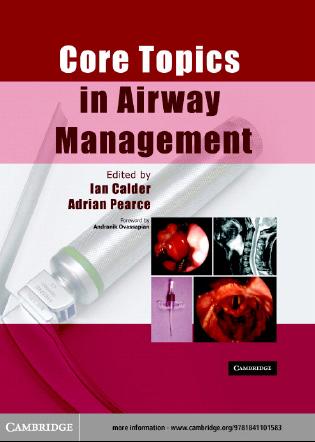
This book provides an easy-to-read introduction to this important topic that will be of value to a wide spectrum of healthcare professionals including anaesthetists, intensivists, ODPs, theatre and recovery nurses. Concise but comprehensive chapters from experts in the field cover everything from basic anatomy, physiology and applied physics, through the various methods of maintaining the airway under anaesthesia (supraglottic devices, tracheal intubation, tubes/cuffs, endobronchial and double-lumen tubes) to the problem airway (obstruction by infection, tumour or a foreign body, ENT and maxillo-facial surgery, aspiration, obstetrics, trauma, cervical spine disease, intensive care, the 'lost' airway, extubation and recovery), the paediatric airway, disinfection and cleaning of equipment and finally morbidity, mortality and medico-legal issues. 'Real' clinical scenarios, with patient management questions and model answers, are included throughout, to bring to life some of the key problems encountered in day-to-day practice and enhance the book's utility as a teaching and self-learning tool.

Book details:
Author:Ian Calder (Editor), Adrian Pearce (Editor)
Publisher: Cambridge University Press
Pages:226
Size:14,00 MB
Format:PDF

Download
password:DrWael

Thursday, March 5, 2009

Trauma Anesthesia


Trauma patients present unique challenges to anesthesiologists. Acute injuries require resource intensive care and are often complex cases especially when coupled with underlying, preexisting medical conditions. Anesthesiologists are involved with trauma patients beginning with airway and shock resuscitation, continuing with intraoperative care during surgery, and extending on to pain management and critical care post-operatively. This new reference focuses on a broad spectrum of traumatic injuries and the procedures anesthesiologists perform to adequately care for trauma patients perioperatively, surgically, and post-operatively. Special emphasis is given to the assessment and treatment of coexisting disease. Numerous tables and 300 illustrations showcasing various techniques of airway management, shock resuscitation, echocardiography and use of ultrasound for the performance of regional anesthesia in trauma, provide an invaluable reference for the anesthesiologist.

Book details:
Author:Charles E. Smith (Editor)
Publisher:Cambridge University Press; 1 edition (June 23, 2008)
Pages:624 pages
Size:17,831 mb
Format: pdf

Download
password: DrWael


Related Books
Trauma: Emergency Resuscitation, Perioperative Anesthesia, Surgical Management, Volume I

Monday, October 7, 2013

Evidence-Based Practice of Anesthesiology, 3e

Lee Fleisher MD (Author)

Make informed clinical decisions with reliable, up-to-date guidance from Evidence-Based Practice of Anesthesia, 3rd Edition! Leading authority Lee A. Fleisher, MD expertly explores the full range of important issues in perioperative management, discussing the available options, examining the relevant research, and presenting practical recommendations.
  • Make sound, evidence-based decisions on every aspect of patient care: preoperative assessment, monitoring and administration of anesthesia during surgery, postoperative intensive care management, and postoperative pain management.
  • Master the current best practices you need to know for day-to-day practice and oral board review.
  • Access the entire text and images online, fully searchable, at www.expertconsult.com.
  • Confidently navigate the latest issues thanks to new chapters on optimal airway management in GI endoscopy, the role of Ketamine for perioperative management, fast-track surgery, and hypothermia after intraoperative cardiac arrest, plus many other vital updates.
  • Efficiently translate evidence into practice with numerous quick-reference tables and short, well-organized chapters that promote fast and effective decision making.
  • Get practical decision-making tools you can use in both routine care and complicated or special situations.


Monday, August 24, 2015

Lippincott's Anesthesia Review: 1001 Questions and Answers

Ace your anesthesiology in-training exam, written board exam, or recertification exam with Lippincott's Anesthesia Review: 1001 Questions and Answers! This anesthesiology exam preparation resource offers you 1,001 multiple-choice questions and answers spanning all essential topics that challenge your mastery of all the information you need to know.  All 1,001 questions will also be accessible online via an interactive question bank.

Key Features
  • Review every key content area thanks to 21 chapters that cover preoperative evaluation and management • airway management • anesthesia machine • patient monitoring • fluid management and blood transfusion • anesthetic pharmacology • spinal and epidural anesthesia • peripheral nerve blocks • pain management • orthopedic anesthesia • cardiovascular anesthesia • thoracic anesthesia • neuroanesthesia • gastrointestinal, liver, and renal disease • endocrine diseases • ophthalmic, ear, nose & throat surgery • obstetric anesthesia • pediatric anesthesia • critical care • postoperative anesthesia care • and more!
  • Practice  using questions that follow the same format as the ones on the actual exams, incorporating tables, drawings, and photographs.
  • Remedy gaps in your knowledge thanks to thorough answer explanations.
http://adf.ly/1NFADv 

Saturday, January 27, 2007

Miller's Anesthesia, 6th Edition


"Miller's Anesthesia is without a doubt a complete and thorough reference of current knowledge in the field of anesthesia. Its strenght lies in its use of a wide range of recognized authors, contributors, and consulting editors, as well as a plethora of scientific information and extremely well-referenced chapters. Miller's Anesthesia is a reference text that every clinician should own or, at the very least, have access to. There are other reference books that provide quick summaries of various topics, but they should not be a replacement for such an in-depth and complete text.
There are significant new chapters in the Sixth Edition. Some of these reflect the importance of new developments in medicine and society as they relate to anesthesia. Perhaps chief among these is the chapter about medical concerns associated with chemical and biologic warfare. Other new additions include chapters about implantable cardiac pulse generators, perioperative blindness, anesthesia for robotic surgery, and human performance in patient safety. It is worth noting that, by and large, the existing chapters from previous additions seem to have been updated with more recent information. In fact, some of these chapters are by new authors and have been completely revised.


Table of Contents
Section I: INTRODUCTION

1. History of Anesthetic Practice

Section II: SCIENTIFIC PRINCIPLES
2. Scope of Modern Anesthetic Practice

3. Basic Principles of Pharmacology Related to Anesthesia
4. Mechanisms of Action
5. Uptake and Distribution

6. Pulmonary Pharmacology
7. Cardiovascular Pharmacology

8. Metabolism and Toxicity of Inhaled Anesthetics
9. Inhaled Anesthetic Delivery Systems
10. Intravenous Nonopioid Anesthetics
11. Intravenous Opioid Anesthetics
12. Intravenous Drug Delivery Systems
13. Pharmacology of Muscle Relaxants and Their Antagonists

14. Local Anesthetics
15. Complementary and Alternative Therapies
16.. The Autonomic Nervous System
17. Respiratory Physiology and Respiratory Function During Anesthesia
18. Cardiac Physiology
19. Hepatic Physiology

20. Renal Physiology
21. Cerebral Physiology and the Effects of Anesthetics and Techniques
22. Neuromuscular Physiology and Pharmacology

23. Outcomes and Statistics in Anesthesia
Section III: ANESTHESIA MANAGEMENT
24. Risk of Anesthesia
25. Preoperative Evaluation

26. Pulmonary Function Testing
27. Anesthetic Implications of Concurrent Diseases
28.. Patient Positioning
29. Malignant Hyperthermia
30. Fundamental Principles of Monitoring Instrumentation
31. Monitoring Depth of Anesthesia
32. Cardiovascular Monitoring

33. Transesophageal Echocardiography
34. Electrocardiography

35. Implantable Cardiac Pulse Generators: Pacemakers and Cardioverter-Defibrillators
36. Respiratory Monitoring
37. Renal Function Monitoring

38. Neurologic Monitoring
39. Neuromuscular Monitoring
40. Temperature Monitoring
41. Acid-Base Balance
42. Airway Management

43. Spinal, Epidural, and Caudal Anesthesia
44. Nerve Blocks
45. Regional Anesthesia in Childern
46. Fluid and Electrolyte Physiology
47. Transfusion Therapy
48. Autologous Transfusion
Section IV: SUBSPECIALTY MANAGEMENT
49. Anesthesia for Thoracic Surgery
50. Anesthesia for Adult Cardiac Surgery
51. Anesthesia for Pediatric Cardiac Surgery
52. Anesthesia for Vascular Surgery
53. Neurosurgical Anesthesia

54. Anesthesia and the Renal and Genitourinary Systems
55. Anesthesia and the Hepatobiliary System
56. Organ Transplantation
57. Anesthesia for Laparoscopic Surgery
58. Anesthesia for Obstetrics
59. Resuscitation of the Newborn
60. Pediatric Anesthesia
61. Anesthesia for Orthopaedic Surgery

62. Anesthesia for the Elderly
63. Anesthesia for Trauma
64. Civil Chemical & Biologic Warfare, with Emphasis on the Role of the Anesthesiologist
65. Anesthesia and Eye, Ear, Nose, and Throat Surgery
66. Anesthesia for Robotic Surgery
67. Anesthesia for Laser Surgery
68. Outpatient Anesthesia
69. Anesthesia at Remote Locations
70. Clinical Care at Altered Environmental Pressure
71. The Postanesthesia Care Unit
72. Acute Postoperative Pain
73. Chronic Pain
Section V: CRITICAL CARE MEDICINE
74. Overview of Anesthesiology and Critical Care Medicine
75. Respiratory Care
76. Pediatric and Neonatal Intensive Care
77. Nutritional Aspects
78. Cardiopulmonary Resuscitation: Basic and Advanced Cardiac Life Support
79. Brain Death
Section VI: ANCILLARY RESPONSIBILITIES AND PROBLEMS
80. Finding Professional Information on the Internet
81. Quality Assurance/Quality Improvement
82. Perioperative Blindness
83. Human Performance and Patient Safety
84. Patient Simulation
85. Teaching Anesthesia
86. Operating Room Management
87. Electrical Safety in the Operating Room

88. Environmental Safety Including Chemical Dependency
89. Ethical and Legal Aspects of Anesthesia Care


Book details:
Author:Ronald Miller
Publisher:Churchill Livingstone; 6th edition (Sep 22 2004)
Pages:3376
Size : 97.159 MB
Format: pdf

Download part 1
Download part 2

password:DrWael

Tuesday, August 19, 2014

A Practice of Anesthesia for Infants and Children


Provide optimal anesthetic care to your young patients with A Practice of Anesthesia in Infants and Children, 5th Edition, by Drs. Charles J. Cote, Jerrold Lerman, and Brian J. Anderson. 110 experts representing 10 different countries on 6 continents bring you complete coverage of the safe, effective administration of general and regional anesthesia to infants and children - covering standard techniques as well as the very latest advances.
  • Find authoritative answers on everything from preoperative evaluation through neonatal emergencies to the PACU.
  • Get a free laminated pocket reference guide inside the book!
  • Quickly review underlying scientific concepts and benefit from expert information on preoperative assessment and anesthesia management, postoperative care, emergencies, and special procedures.
  • Stay on the cutting edge of management of emergence agitation, sleep-disordered breathing and postoperative vomiting; the use of new devices such as cuffed endotracheal tubes and new airway devices; and much more.
  • Familiarize yourself with the full range of available new drugs, including those used for premedication and emergence from anesthesia.
  • Benefit from numerous new figures and tables that facilitate easier retention of the material; new insights from neonatologists and neonatal pharmacologists; quick summaries of each chapter; and more than 1,000 illustrations that clarify key concepts.
  • Access the entire text online, fully searchable, at www.expertconsult.com, plus an extensive video library covering simulation, pediatric airway management, burn injuries, ultra-sound guided regional anesthesia, and much more; and new online-only sections, tables and figures.